Misuse of the phrase “ground rent”
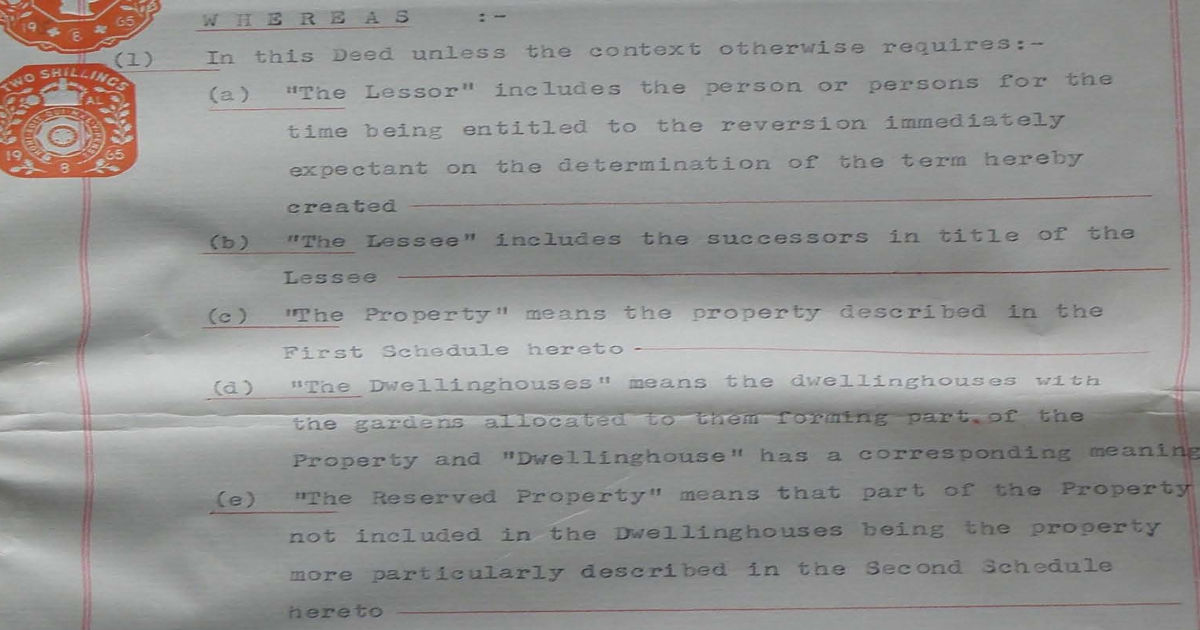
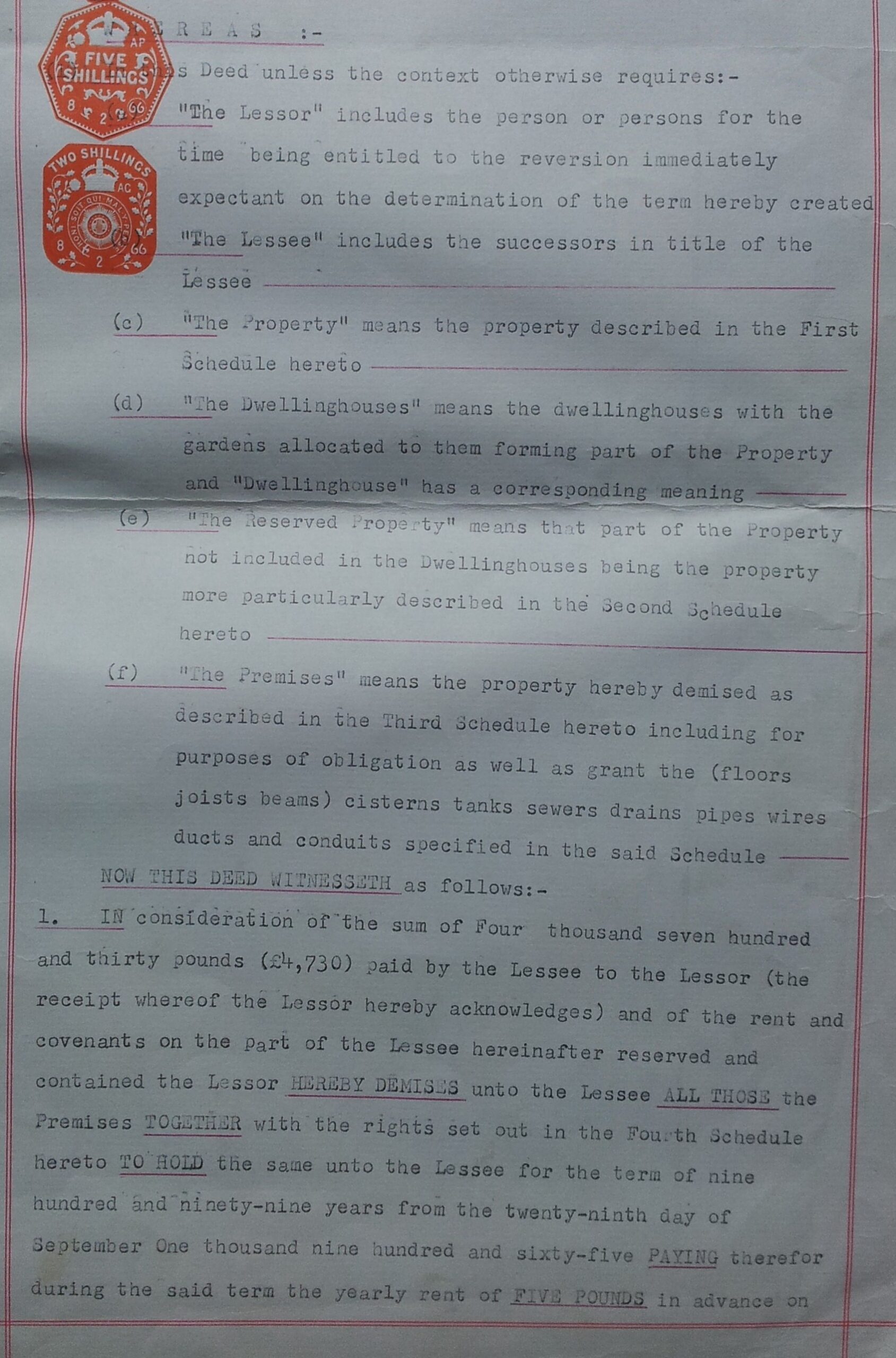
Lawyers and others use the phrase ground rent to imply an unsupported premise about the nature and detail of every long lease1. The expression is borrowed from building leases where plots were leased before construction. Such arrangements were known since the seventeenth century but by no means apply to most modern housing that has been sold ready-built. In most cases the term ground rent does not appear in, let alone form part of, the deed recording the grant of a typical long residential lease.
Nominal rent and contractual continuity
The buyer pays a full capital sum for a completed dwelling and, with others, for exclusive use of associated land. The rent that appears as rent in the deed is usually nominal and has a different and quite definite purpose and function. It derives from classic land law and long-lease conveyancing practice, to signify and confirm contract at yearly intervals. This is important because the lease is designed to maintain contractual relationships that in the case of freehold would disappear between successors in title. Purchase‑side solicitors should – and traditionally do – advise against agreeing rents that are greater than nominal, otherwise the intrinsic nature of a sale would become something else.
Modern misinformation and evasive disposals
| Common claim | This site’s evidence |
|---|---|
| “You only own the flat or house” | Deeds grant exclusive rights in associated land. |
| “Ground rent pays for use of the land” | Nominal rent exists for contractual continuity. |
| “Ground rent applies to all long leases” | There is no such law, so check the deed’s wording. |
Deception becomes obvious from the inapt addition of the word “ground”. The phrase ground rent suggests a spurious universal rule, that the buyer has only bought the dwelling or the space between its walls, not the land. This is plainly wrong because each lease deed itself confirms sale of the right to use the land associated with their dwelling. That is as close to exclusive ownership as English law currently allows, where multiple dwellings share land. Undivided shares are limited, by statute, to a maximum of four persons,2 so jointly‑used land must be held by a separate entity as its legal custodian.
Long leases are both an agreed legal fiction and a commercial reality. Adding unagreed fictions detracts from rightful ownership. Exclusive possession,3 as purchased, includes the right to exclude the lessor from that part of the land allocated to its buyer, e.g. a garden sold with a dwelling. Certainly, terms for longer than five hundred years were said in Woodfall to be conveyed in the nature of leases but “are not accounted leases”.4 The purpose of particular estate portions was different in his day but the principle must be similar.
The mystery behind ground rent auctions
The reasoning is never explained behind transferring the land itself, the subject-matter of the prior contract, after selling or transferring only the right to receive rent. Both the public-auction and share-transfer methods are opaque and usually secretive, evidencing fraud from the outset. Fraud is often confirmed when the Lessor then pretends to have escaped its covenants. That is untruthful (a) because the deed defines “The Lessor” to include successors in title, not be replaced by them, and (b) because, where obligations “transfer” by statute, “transfer does not mean extinguish”.5
No-one involved ever explains by what right they transfer land that does not belong to them. This probably ties in with the “ambiguous legal estate” teaching about inheritance and seisin as discussed on our Reversion page. The general idea is to take the outdated notion of seisin out of its only remaining proper context through a spurious extension of the interrelated technical significance of rent.
Section 205 LPA 19256 includes rent as a species of “possession” in its definition of that word for the purposes of the statute. The statute does not make it the same land already granted. As discussed, the prior grant assigned the Lessor the duty to hold the land unto the Lessee, not to dispose of it to strangers. Those involved, including Registrars, never answer questions about the legality or otherwise of registering such disposals. As detailed on our Foundations page, the long history of statute to counter such disposals shows them to be void ab initio at common law.
Spurious and unsupported suggestions of Ground Rent and Reversion appear frequently in modern misinformation and work together for purposes that generally seek to excuse disposals made without contractual notice or consent.
- For example as in the Daily Telegraph, 6 July 2026. The article asserts that “Ground rent is a regular payment … for the right to occupy the land the property is built on” and that “In a leasehold property, you own the building, but not the land it sits on.” This is just one of many newspaper, magazine and website articles that repeatedly treat long residential leases as rental arrangements and present ground rent as consideration for mere occupation. ↩︎
- LPA 1925 s.34(2) provides that where more than four persons are named as holding undivided shares, the conveyance automatically vests the legal estate in the first four as joint tenants in trust for all the beneficial owners. In other jurisdictions, undivided shares or UDS form part of the statutory machinery of strata title for apartments. ↩︎
- Exclusive possession gives an ability to exercise the rights of an owner of land. See Street v Mountford [1985] AC 809. ↩︎
- Woodfall, The Law of Landlord and Tenant (3rd edition, 1811) Ch.VI p.148, the inheritance being the freehold. ↩︎
- Stuart v. Joy (1904) and LPA s.142(2), “This section takes effect without prejudice to any liability affecting a covenantor or his estate”. ↩︎
- LPA 1925 s.205(1)(xix): “Possession” includes receipt of rents and profits or the right to receive the same, if any; and “income” includes rents and profits ↩︎